Why Are My Outdoor Smart Path Lights Failing After Heavy Rain?
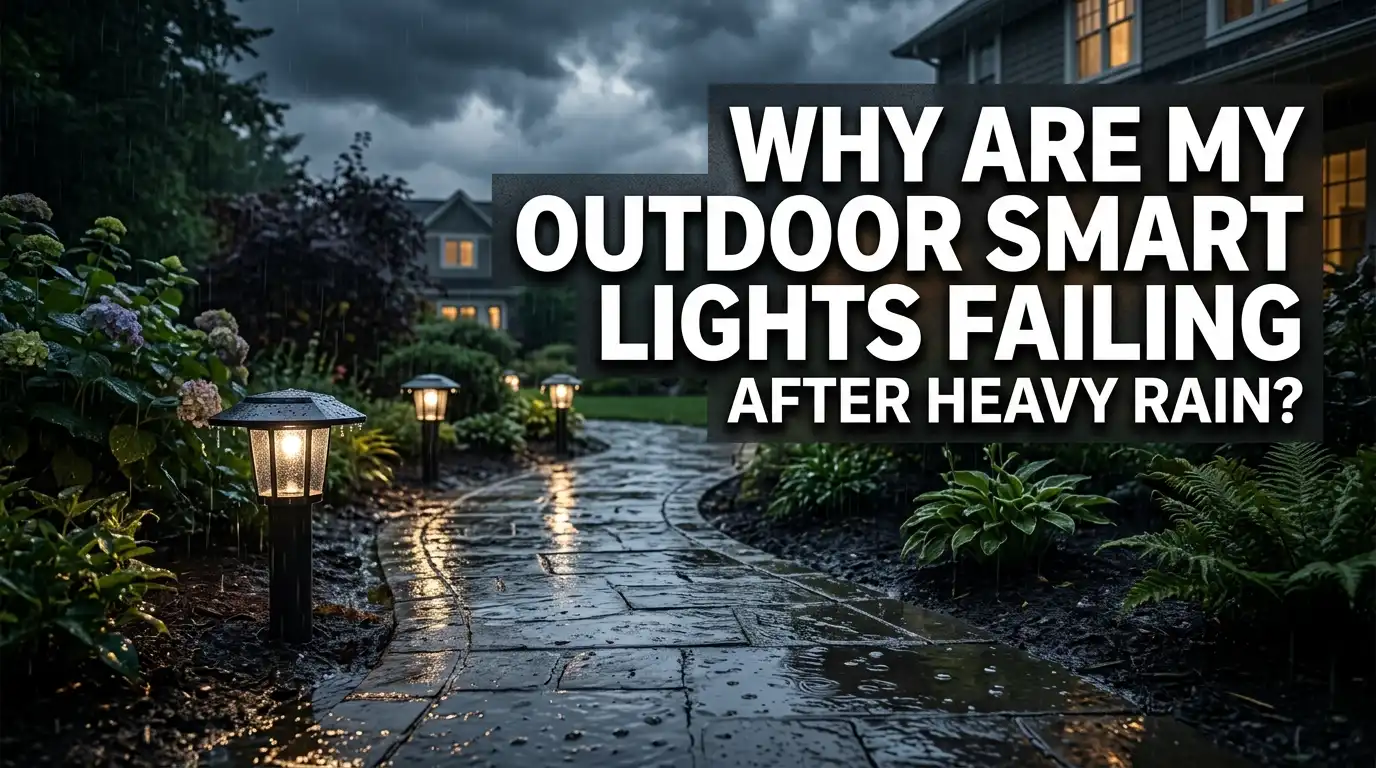
You spent good money on your outdoor smart path lights. They looked amazing for weeks. Then a heavy rainstorm rolled through, and now some lights are off, others are flickering, and your smart app says “device offline.” Sound familiar? You are not alone. Thousands of homeowners deal with this exact frustration every rainy season.
Moisture is the single biggest enemy of outdoor smart lighting systems. Even products labeled “waterproof” can fail under the right conditions. The good news is that most rain related failures are fixable, and many are preventable with some basic knowledge and effort.
This post will walk you through every common reason your smart path lights stop working after heavy rain. You will also get clear, practical solutions you can apply today.
Key Takeaways
- Water entering light fixtures is the most common cause of smart path light failure after rain. Cracked seals, degraded gaskets, and low mounting positions allow moisture inside, causing short circuits and corrosion.
- A tripped GFCI outlet can shut down your entire lighting system instantly. Heavy rain often triggers ground faults in outdoor circuits. Check and reset your GFCI outlet before assuming your lights are broken.
- Corroded wire connections underground create open circuits that stop power from reaching your lights. Use waterproof gel filled connectors and bury wiring at least six inches deep to prevent this problem.
- Smart features like WiFi and Bluetooth lose connectivity when moisture disrupts the electronics inside the light housing. Drying out the fixture and reseating connections can restore your smart controls.
- Choosing lights with the correct IP rating prevents most rain failures. Look for IP65 or higher for path lights exposed to direct rainfall. An IP44 rating is not enough for ground level installations.
- Seasonal maintenance twice a year catches small problems before they become expensive failures. Clean fixtures, inspect seals, check wire splices, and test your transformer output regularly.
How Water Gets Inside Smart Path Light Fixtures
Water finds its way into outdoor fixtures through several paths. The most common entry point is a degraded rubber gasket or O ring at the junction where the light housing meets the stake or base. Sunlight, heat, and cold cause these seals to crack over time. Once a tiny gap forms, rainwater seeps in.
Another entry point is the wire entry hole at the bottom or back of the fixture. If the manufacturer used a loose grommet or if the grommet has shrunk from sun exposure, water follows the wire right into the housing. This is especially common with budget fixtures that use thin silicone seals.
Ground level path lights face a unique challenge. During heavy rain, water pools around the base of the fixture. If the light sits in a low spot or if soil has settled around it, the fixture can sit partially submerged for hours. Even IP65 rated fixtures are not built for submersion. That rating protects against water jets, not standing water.
Once water enters a fixture, the damage spreads fast. Moisture causes short circuits on circuit boards, corrodes LED driver components, and fogs up the lens. You may notice condensation inside the glass or plastic cover. That condensation is a clear warning sign that the seal has failed and the internal electronics are at risk.
Why Your GFCI Outlet Trips During Rain
A GFCI (Ground Fault Circuit Interrupter) outlet is a safety device that cuts power when it detects a ground fault. Your landscape lighting transformer is likely plugged into one of these outlets. During heavy rain, moisture can enter the outlet itself, the transformer housing, or any exposed wire splice in the system. Any of these creates a ground fault, and the GFCI does its job by shutting everything off.
Many homeowners assume their lights are broken when, in fact, the GFCI outlet simply tripped. The fix can be as simple as pressing the reset button on the outlet. You will usually find this outlet in your garage, on an exterior wall, or near your electrical panel.
If the GFCI trips repeatedly after every rain, the problem runs deeper. Water may be entering a specific fixture or wire connection somewhere in the system. You can identify the faulty section by disconnecting fixtures one at a time and testing. When the GFCI stops tripping after you remove a specific light, you have found your culprit.
Installing a weatherproof bubble cover over the GFCI outlet adds a strong layer of protection. These covers seal around the plug and keep rain from reaching the outlet face. If your current outlet cover is a flat plate style, it offers almost no protection when a cord is plugged in. Upgrading to a bubble cover is one of the cheapest and most effective fixes you can make.
Corroded Wire Connections and Splice Failures
Underground wire connections are the hidden weak point in most landscape lighting systems. During installation, wires are joined using connectors at each fixture location. If the installer used basic twist on wire nuts or electrical tape, those connections will fail after repeated exposure to moisture.
Rainwater soaks into the soil and reaches buried splices. Once water contacts exposed copper, oxidation begins immediately. You will see green or white buildup on the wire. This corrosion increases resistance in the connection, which causes voltage drops, flickering, and eventual failure. In severe cases, the corroded connection creates an open circuit and the light goes completely dead.
The solution is to replace all suspect connections with waterproof gel filled wire connectors. These connectors contain a silicone gel that surrounds the wire splice and creates a moisture barrier. They are affordable and available at most hardware stores. Look for connectors rated for direct burial use.
The depth of wire burial also matters. The National Electrical Code recommends burying low voltage landscape lighting wire at least six inches deep. Wire buried only two or three inches deep is far more likely to be exposed by rain erosion, foot traffic, or landscaping activity. If you find exposed wire after heavy rain, rebury it at the correct depth and protect the connection with a gel filled cap.
Understanding IP Ratings and Why They Matter
IP stands for Ingress Protection. The IP rating on your smart path lights tells you exactly how well the fixture resists dust and water. The rating uses two numbers. The first number (0 to 6) measures solid particle protection like dust. The second number (0 to 9) measures water resistance.
For outdoor path lights, the second number is the critical one. An IP rating of IP44 means the light can handle water splashing from any direction. That sounds decent until you consider that heavy rain, pooling water, and lawn sprinklers can deliver far more moisture than a simple splash. IP44 is not sufficient for path lights installed at ground level.
IP65 is the minimum recommended rating for outdoor path lights. The “6” means the fixture is completely dustproof. The “5” means it can handle low pressure water jets from any direction. This rating handles heavy rain, wind driven rain, and normal garden hose spray.
If your path lights sit in areas where water tends to pool or if your property experiences flooding, consider IP67 rated fixtures. An IP67 rating means the fixture survives temporary submersion up to one meter deep for 30 minutes. This gives you a significant safety margin during heavy storms.
Check the IP rating on your current fixtures. If they are rated below IP65, that rating gap is likely the root cause of your rain related failures. Upgrading to properly rated fixtures will solve the problem at its source.
Smart Features That Fail When Moisture Enters
Smart path lights contain more electronics than traditional lights. They include WiFi or Bluetooth radio modules, microcontrollers, and sometimes small antennas. These components are sensitive to moisture. When water enters the housing, the smart features often fail before the LED itself stops working.
You may notice that the light still turns on but no longer responds to your app. Or the light might drop off your WiFi network after every rainstorm and require manual reconnection. These are signs that moisture is reaching the circuit board but has not yet caused a complete short circuit.
The radio module inside a smart light operates on very low power. Even a thin film of moisture on the circuit board can disrupt the signal. Corrosion on antenna connections weakens the wireless range. Over time, repeated moisture exposure causes permanent damage to solder joints and chip components.
To address this, remove the fixture and open it if possible. Let it dry completely in a warm, dry space for 24 to 48 hours. You can speed up the drying process by placing the opened fixture near a fan or in a container with uncooked rice or silica gel packets. Once dry, inspect the circuit board for green or white corrosion spots. If the board looks clean, reassemble the fixture with fresh gaskets and a thin coating of dielectric grease around the seal to block future moisture entry.
Transformer Problems Caused by Rain
The transformer converts your home’s 120V power to the 12V needed by your landscape lights. It is a critical component, and rain can damage it in several ways. If the transformer is mounted at ground level or sits on mulch, water can enter the housing during heavy rain. This causes internal corrosion and can trip the circuit breaker.
A common issue is the missing drip loop. A drip loop is a small U shaped dip in the wire before it enters the transformer housing. Without it, rainwater runs along the wire and drips directly into the enclosure. Adding a drip loop takes only a few minutes and prevents water from following the wire path inside.
Check your transformer’s mounting location. It should be wall mounted at least 12 inches above ground level and under some form of cover if possible. If your transformer sits on the ground or on a landscape timber, relocate it to a higher, protected position.
Test the transformer output with a voltmeter after heavy rain. You should see a reading between 11V and 13V at the output terminals. If the reading is significantly lower, moisture may have entered the housing and damaged internal components. A transformer that shows zero output after rain but works fine in dry weather is a strong indicator of water intrusion.
Modern transformers with zone protection allow you to isolate individual circuits. This means one wet fixture does not take down your entire system. If your current transformer lacks this feature, upgrading to a zoned model adds a valuable layer of reliability.
Soil Erosion and Fixture Displacement After Storms
Heavy rain moves soil. Path lights installed in loose or sandy soil can shift, tilt, or sink after a storm. When a fixture tilts, the seal orientation changes and water can enter through joints that were previously above the waterline. Tilted fixtures also strain wire connections at the base, which can pull splices apart underground.
Check all your path lights after every heavy rain event. Look for fixtures that lean to one side or have sunk lower than their original position. Straighten any tilted lights and pack firm soil around the base. If a fixture keeps sinking, the installation may need a more stable base.
Adding a gravel bed beneath each fixture improves drainage and stability. Dig a small hole, fill the bottom two inches with pea gravel, and place the fixture stake into the gravel. This prevents water from pooling around the base and gives the fixture a stable footing that resists soil movement.
For slopes and hillsides, consider using locking PVC sleeves or extended stakes to anchor your path lights. Standard stakes work fine in flat, firm soil but often fail on inclines where water runoff shifts the ground. A PVC sleeve driven deep into the soil holds the fixture firmly in place even during heavy erosion events.
Debris Buildup That Traps Moisture Around Lights
Leaves, mulch, grass clippings, and pine needles accumulate around path lights throughout the year. After heavy rain, this debris becomes a soggy blanket that holds moisture against the fixture for hours or even days. Prolonged contact with wet organic material accelerates corrosion and seal degradation.
Mulch is a particular problem. Many homeowners apply fresh mulch each spring without checking the height around their path lights. A light that was once well above the mulch line can end up partially buried. Buried fixtures trap heat and moisture, which causes premature failure of both the LED and the smart electronics.
Make it a habit to clear debris from around every path light after major storms. Keep a two to three inch gap between the mulch line and the bottom of each fixture housing. If mulch tends to migrate against your lights, install small mulch guards or rings around each fixture to maintain clearance.
Trimming nearby plants also helps. Overhanging branches and dense groundcover block airflow and keep fixtures damp longer after rain. Good air circulation around each light allows it to dry quickly, which reduces the time moisture has to cause damage.
Surge Damage From Lightning During Storms
Heavy rainstorms often bring lightning. A nearby lightning strike can send a power surge through your electrical system that damages landscape lighting transformers, LED drivers, and smart controllers. Even an indirect strike can create a voltage spike strong enough to fry sensitive electronic components.
Signs of surge damage include lights that are completely dead with no visible water damage, a transformer that no longer powers on, or smart features that have permanently stopped working. If multiple fixtures across your system failed at the same time after a storm with lightning, surge damage is the most likely cause.
The fix for existing damage requires replacing the affected components. But prevention is straightforward. Install a surge protector at the transformer. Many modern landscape lighting transformers include built in surge protection. For older units, an external surge protector rated for low voltage systems costs very little and protects your entire lighting system.
If your property sits in an area with frequent lightning storms, a whole house surge protector at the electrical panel adds another layer of protection. This device catches surges before they reach any circuit in your home, including the outlet powering your landscape lights.
How to Dry and Restore Wet Smart Path Lights
If your smart path lights have already been damaged by rain, you can often restore them with careful drying and cleaning. Start by turning off power to the entire system at the transformer. Remove the affected fixture from the ground.
Open the fixture housing if the design allows it. Some path lights have threaded tops or screw connections that separate the housing from the stake. Look for standing water inside the housing and pour it out gently. Inspect the circuit board, LED module, and wire connections for visible corrosion or water droplets.
Use compressed air to blow moisture out of tight spaces around connectors and circuit board components. Then place the opened fixture in a warm, dry location for at least 24 hours. Do not use a heat gun or hair dryer on the highest setting, as excessive heat can damage plastic components and circuit boards.
Once the fixture is fully dry, clean any corrosion spots on metal contacts with a small brush and isopropyl alcohol. Apply a thin layer of dielectric grease to the gasket and to all metal contact points before reassembling. This silicone based grease is nonconductive and creates a moisture barrier that prevents future corrosion.
Reinstall the fixture and power on the system. If the light works but the smart features do not reconnect, try resetting the device through the manufacturer’s app by removing and re-adding it to your network. Sometimes the WiFi module needs a fresh pairing after a power interruption.
Preventive Waterproofing Steps You Can Take Today
Prevention is far easier and cheaper than repair. A few hours of preventive work protects your entire smart path lighting system for the full rainy season. Start with these practical steps.
Apply dielectric grease to every fixture seal and gasket. Remove each light, clean the seal surface, apply a thin film of grease, and reassemble. This creates a water resistant barrier that dramatically extends the life of the seal. Reapply this grease once a year.
Replace all underground wire connections with gel filled waterproof connectors. Even if your current connections seem fine, standard wire nuts and electrical tape degrade over time. Swapping to waterproof connectors now prevents the most common failure point in landscape lighting.
Check your wire burial depth. If any wire is visible or buried less than four inches deep, rebury it to at least six inches. Add protective conduit in areas where wires cross paths, driveways, or garden beds where digging is common.
Install a bubble cover on your GFCI outlet if you do not already have one. Test the GFCI monthly by pressing the test button and then the reset button. A GFCI that fails to trip during testing needs immediate replacement.
Elevate any ground level transformer to a wall mounted position. Add a drip loop to the power cord and secure all wire entries with weatherproof grommets. These small changes prevent the most expensive rain related failure you can experience.
When to Call a Professional Electrician
Some rain related lighting problems go beyond basic DIY fixes. If your GFCI keeps tripping even after you have isolated and removed all suspect fixtures, you may have a wiring fault buried underground that requires professional diagnostic equipment to locate.
If you suspect lightning surge damage has affected your home’s electrical panel or multiple circuits, a licensed electrician should inspect the system. Surge damage can create hidden hazards that are not safe to troubleshoot without proper training and tools.
Repeated failures in the same fixture location may indicate a grading or drainage problem that needs landscape modification. A professional can assess whether the area needs regrading, a French drain, or a different fixture mounting approach to solve the underlying water issue.
Any time you feel unsure about working with electrical connections, stop and call a professional. Low voltage landscape lighting is generally safe to work on, but the transformer connects to your home’s 120V system. Mistakes at the transformer or outlet level can create serious shock hazards. A licensed electrician can complete the repair safely and verify that your entire system meets current electrical code.
Seasonal Maintenance Schedule to Prevent Rain Failures
Keeping your smart path lights reliable through every season requires a simple maintenance routine. Follow this schedule to catch problems early and extend the life of your system.
In spring, inspect every fixture for winter damage. Check seals, clean lenses, and replace any cracked gaskets. Clear mulch and debris from around each light. Test your transformer output voltage and reset your GFCI outlet. This is the best time to apply fresh dielectric grease to all seals and connections.
In summer, monitor your lights after each major rainstorm. Look for tilted fixtures, exposed wiring, and signs of water inside the housing. Trim vegetation that has grown around your lights to maintain airflow. Check that your smart lights stay connected to WiFi during and after storms.
In fall, clear fallen leaves and debris regularly. Leaf buildup is the biggest seasonal threat to path lights. Inspect wire connections one more time before winter. Replace any bulbs or fixtures that show signs of weakness now, before cold weather makes outdoor work harder.
In winter, check your system after ice storms and heavy snow. Ice can crack fixture housings and break seals. Remove snow buildup from around fixtures and verify that your transformer is protected from wind driven rain and snow. Test your GFCI outlet monthly through the cold months.
This twice yearly deep inspection combined with post storm checks keeps your system running reliably. Most homeowners who follow this schedule report zero rain related failures across multiple seasons.
Frequently Asked Questions
Can I use silicone caulk to seal my path light fixtures?
Silicone caulk can work as a temporary seal around fixture housings. However, it makes future disassembly difficult and can trap moisture inside if applied incorrectly. Dielectric grease on the existing gasket is a better option because it seals against water while still allowing you to open the fixture for maintenance. If a gasket is completely gone, replace it with a new one rather than relying on caulk.
How do I know if my smart path lights have an IP65 rating?
Check the product packaging, the manufacturer’s website, or the user manual that came with your lights. The IP rating is usually printed on a label on the fixture itself or listed in the product specifications. If you cannot find an IP rating anywhere, the fixture may not have been tested to any standard, which means it is likely not suitable for heavy rain exposure.
Will replacing my path lights with solar smart lights solve the rain problem?
Solar smart path lights eliminate the transformer and underground wiring, which removes two common failure points. However, solar lights still contain circuit boards, batteries, and seals that are vulnerable to water intrusion. The IP rating matters just as much for solar lights as it does for wired ones. Solar lights must also be rated IP65 or higher for reliable performance in heavy rain.
How much voltage drop is normal in a landscape lighting system?
A voltage drop of up to 0.5V is considered normal in a well designed low voltage system. Drops of 1V to 2V will cause noticeable dimming in the fixtures farthest from the transformer. Drops greater than 3V indicate a serious problem such as corroded connections, undersized wire, or an overloaded transformer. Use a voltmeter at each fixture to measure the actual voltage and identify problem areas.
Can I leave my smart path lights powered on during a thunderstorm?
It is safer to turn off your landscape lighting system during active thunderstorms with lightning. Unplugging the transformer or switching off the circuit breaker protects your system from surge damage. If you have a surge protector installed at the transformer, your system has some protection, but no surge protector offers 100% guarantee against a direct or very close lightning strike.
Do I need to waterproof my path lights differently if I live in a humid climate?
Yes. High humidity areas experience moisture intrusion even without direct rain. Condensation forms inside fixtures as temperatures change between day and night. Apply dielectric grease to all seals, use gel filled wire connectors for every underground splice, and inspect your fixtures more frequently. Choosing fixtures with IP67 ratings gives you extra protection in consistently humid environments.