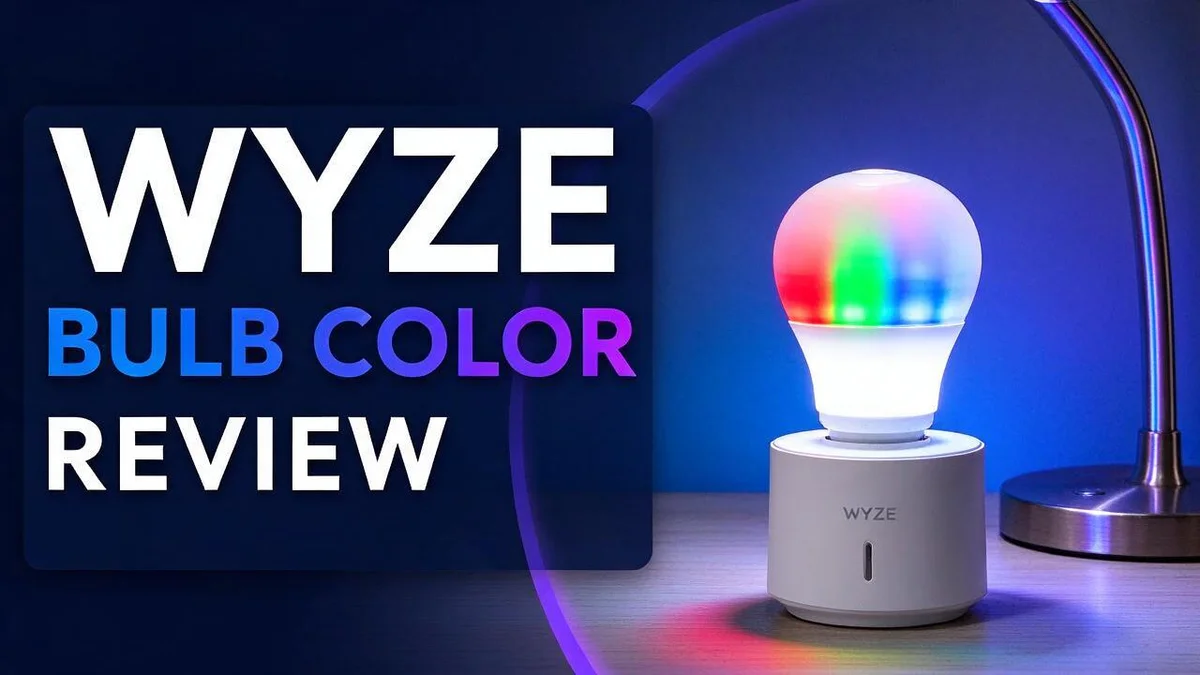
Wyze Bulb Color Review: Is It Worth Your Money?
Looking for a bulb that can paint your room any shade you like? You are in the right place. This Wyze bulb color review will show you what this light can really do.
Wyze built this bulb for bright, rich light. It offers 1100 lumens and 16 million colors, plus tunable white for cozy evenings or sharp work lighting.
Setup feels simple. The bulb works with Alexa, Google, and IFTTT without a hub, so you can start controlling it fast.
But every good review looks at both sides. Some owners warn about heat, and one reviewer noticed dimming after several months. Stick with us as we check the details.
In a Nutshell
-
Hub free setup: The bulb works with Alexa, Google, and IFTTT without a separate hub. You can link it straight to your voice assistant.
-
Strong specs: The bulb delivers 1100 lumens and 16 million colors. Tunable white helps you shift from cozy evenings to bright work hours.
-
Heat matters: Wyze advises installing it only in open fixtures. Enclosed lamps may trap heat around the bulb, so check your fixture first.
-
Long term quirks: One reviewer saw random dimming and a light blue tint on the white setting after more than three months. Watch for these issues if you plan to use it every day.
-
A Philips Hue alternative: Many Reddit users look for other options besides Philips Hue. Wyze gives them a new brand to test at home.
-
Strong competition: NYT Wirecutter named the WiZ 60W A19 Color its best smart bulb in January 2026. Philips Hue, Kasa, and LIFX also appear in recent top roundups, so compare them before you decide.
Brightness and Color Range

Last update on 2026-11-28 / Affiliate links / Images from Amazon Product Advertising API
Brightness matters more than many people expect. A bulb that feels too dim can change how a whole room feels.
Think about where you plan to use the light first. A reading corner needs crisp light, while a lounge area often looks better with a softer glow.
This bulb gives you room to adjust. You can raise the output for chores and lower it for a relaxed evening.
The color range is the fun part. You can move from calm blues to warm oranges with a quick change in your app or voice command.
Color choice shapes mood. Soft blues often feel calm, while reds and oranges add energy. Many people test a few shades before they settle on one.
Tunable white deserves attention too. Warm white suits cozy dinners, and cooler white helps with focus during work or cooking.
Colors can look different at night. Lamp shades, wall paint, and natural daylight all change how a shade appears, so test colors in the actual space.
Try a simple test first. Set the bulb to a few shades and leave each one on for an hour. You will quickly learn which tones suit your daily routine.
Scenes can make routines easier. Set a bright white scene for morning coffee and a dim warm scene for winter evenings.
Good lighting plans often use layers. Bright task light, a soft ambient glow, and small accent colors work together to create balance.
Guests notice the lighting too. A clean white setting feels fresh for daytime visits, while colors add fun for game nights.
Avoid harsh glare by placing bulbs where light spreads evenly. Ceiling lights and table lamps both benefit from a diffuser or shade.
Brightness and color work best together. Choose the mood first, then adjust the output so the room feels right without straining your eyes.
Smart Home Integration
Think about your daily routine first. Your voice assistant can do more than switch lights on and off. It can also change color and brightness with one short phrase.
Clear room names make voice control smoother. Name each bulb after its exact spot, such as desk lamp or hallway. Short names are easier for your assistant to understand.
Group bulbs by room in your app. Then one command can shift a whole space at once. This helps when you walk into a living room with several fixtures.
Keep the wall switch on. Smart bulbs need steady power to receive commands. If someone flips the switch off, the app cannot reach the bulb until power returns.
A strong home network keeps commands fast. Place your router where its signal reaches the room with the bulbs. Thick walls and metal can slow responses.
Test each routine before you rely on it. Ask your assistant to run a scene at different times of day. Notice any delays or missed commands. Fix problems early so guests do not notice.
Timed schedules add a helpful touch. Set a warm morning glow that starts before your alarm sounds. Evening schedules can dim the room gently before bedtime.
Check your other smart devices too. Many smart plugs and sensors can join the same routines. Match their names so commands stay clear.
Make a simple plan. Write down three rooms where you want voice control. Start there, then grow your setup over time.
Watch for lag after updates. App and assistant updates can change how commands behave. Run your key routines again after each update. This quick check saves frustration later.
Use names that match how you speak. If you say movie time, name the scene that way. Natural phrases feel easier than technical labels.
Plan for guests. Visitors may not know your voice commands. Post a short card near the switch panel with two or three phrases. It keeps the room friendly and easy to use.
Note the limits of your research. Public sources do not list every app feature for this bulb. Check the official app before you build complex automations. This step prevents surprises.
Long-Term Reliability
Reliability shows up after the first few weeks. A new bulb can look perfect on day one. Real strength appears when the light keeps working for months.
Keep an eye on color accuracy. Compare the white setting with another lamp every so often. If the tint shifts, you will notice it quickly.
Feel the fixture after a few hours of use. A warm base is normal. A very hot base may signal that the bulb needs more airflow.
Write a simple log for your bulbs. Note the date, the setting, and any odd behavior. Patterns often appear within a few weeks.
Test one bulb before you fill the whole house. Install a single bulb in a room you use daily. Run it for several weeks before you add more.
Track how the colors hold up. Set a favorite shade and check it again after a month. Colors that stay steady show good build quality.
Keep the box and paperwork nearby. If a bulb fails, you can act quickly. Clear records make support requests easier.
Check the app for updates often. Updates may fix bugs that affect dimming or color. A quick check takes only a minute.
Restart the app if the bulb stops responding. Many small glitches clear up after a fresh start. Give the bulb a moment to reconnect.
Set a reminder to review performance. Once every few months works well. A short check helps you catch problems early.
Stay calm about a single report. One review does not prove a trend. Look for several owners who describe the same issue before you decide.
Your own routine offers the best test. Use the bulb in the spots where you need it most. Real daily use reveals the truth faster than any spec sheet.
Plan for replacements over time. Bulbs wear down like any lamp. Having a plan keeps your lights bright.
Top 3 Alternatives
Philips Hue Bulb

- SWITCH TO SMART LIGHTING: Simply screw in your new smart bulb, download the award-winning Hue app, then...
- CREATE AMBIANCE WITH COLOR: Find the right light with the LED lights for any mood with millions of colors...

Last update on 2026-11-28 / Affiliate links / Images from Amazon Product Advertising API
Philips Hue is a favorite for people who want rich and accurate colors. The bulbs produce bright shades that look great in living rooms and bedrooms. Many users also love the wide range of soft white tones.
Setup takes a little more effort. Most owners add a Hue Bridge, then use the Hue app to pair their bulbs. Voice control works with major assistants, which makes daily use easy. The app also offers scenes that match your mood.
LIFX Color Bulb

- Vivid Color: SuperColor and Polychrome technology deliver billions of vivid RGB colors with RGB + tunable...
- Personalized Lighting: Explore 200+ themes in the app, create custom palettes, design gradients, and save...
Last update on 2026-11-28 / Affiliate links / Images from Amazon Product Advertising API
LIFX bulbs skip the hub. They connect straight to your home wireless network, so setup feels quick. The colors look vivid, and the bulbs respond fast to app commands.
Many people use LIFX for gaming setups or music sync. The light effects feel fun and fresh. These bulbs also shift into warm whites for relaxing evenings. Strong color saturation makes movie nights feel more immersive.
Govee Smart Bulb

- 16 Million DIY Colors: Govee smart light bulbs own millions of color and 54 preset scene modes, you can...
- Music Sync: Our smart light bulbs change color and brightness simultaneously when sounds are detected by...
Last update on 2026-11-29 / Affiliate links / Images from Amazon Product Advertising API
Govee offers a strong mix of color options and easy control. The bulbs suit beginners who want flexible lighting without complex steps. The Govee app includes scenes, timers, and music modes.
Color accuracy is good for everyday use. Some users notice slightly softer shades than premium brands. Overall, this option suits shoppers who want lots of color choices for their rooms.
Price and Value
Value comes from daily use, not a single moment. A bulb earns its place when it performs well for years. Think about the rooms and routines that matter most to you.
The Wyze color bulb lists 1100 lumens and 16 million colors. It also offers tunable white. Tunable white lets you shift from warm light to cool light. These features give plenty of brightness and mood options for most homes.
Compatibility adds real value too. CNET reported that the original Wyze Bulb works with Alexa, Google, and IFTTT without a hub. Fewer extra parts mean less setup work.
Heat plays a part in long life. A Wyze forum suggests installing the original bulb only in open enclosures. Look for a fixture with airflow so your bulbs can last longer.
Performance reports matter as well. One reviewer saw bulbs dim at random after more than three months.
Another reviewer saw the white setting turn light blue after the same period. One report does not decide everything. Still, it shows why a careful test helps.
Other brands deserve a look before you decide. NYT Wirecutter named the WiZ 60W A19 Color the best smart bulb in January 2026. Philips Hue, Kasa, and LIFX also appear often in 2023 roundups and comparisons.
The Droiee 6W RGBW carries an Amazon’s Choice tag. That label signals strong shopper interest. It does not prove long-term quality on its own, so compare the features yourself.
Make a short feature checklist. Write down brightness, color range, app quality, hub needs, and white tone. Then compare each option against that list. The best match often wins.
Skip the extras you never use. Some apps offer many features. Focus on the ones you will use each week. Simple tools often bring more value than complex ones.
Read the warranty terms before you commit. Warranty coverage shows how the maker stands behind the product. Clear terms make it easier to decide with confidence.
Value grows when a bulb fits your home, your routines, and your future needs.
Pros and Cons
Pros
- Color scenes can shift with the time of day.
- Tunable white gives you warm light for evenings and cool light for work.
- Mood lighting works well in bedrooms, living rooms, and game rooms.
- Color options make holidays and parties easy to set up.
- Smart features let you test colorful lighting without a big upgrade.
Cons
- Research on the color model is limited, so check recent reviews.
- Changes need a working app and a steady internet connection.
- Wirecutter named a different smart bulb as its top pick.
- Launch timing from 2021 means you should confirm current availability.
Who Should Buy It
This bulb suits people who want color without a complex setup. Renters are a strong fit. They can screw it into a lamp and take it along when they move.
Parents may also find it useful. Soft shades can signal bedtime, while brighter tones can mark the start of a morning routine.
Home theater fans often enjoy color bulbs too. A dim color glow behind the screen can make movie nights feel more immersive.
Mood seekers will get the most enjoyment. Some people like cool morning light and warm amber evenings. This bulb can handle both moods in one room.
Hobbyists who enjoy experimenting may find it exciting. Many people like trying new shades and seeing how they look on walls. This bulb gives plenty of room to play.
Gift givers can also consider this bulb. A color bulb makes a fun housewarming gift for a friend who loves decorating.
People who want steady task light should choose differently. Desk work and cooking need consistent white light. A plain white bulb may serve those spots better.
Families with small children should choose carefully. Keep bulbs out of reach during setup. Pick fixtures that suit your home layout.
Shoppers with an existing hub should check compatibility first. Every smart home setup differs. A quick look at your current gear can prevent surprises.
Anyone who wants one bulb for every room should pause. Different rooms have different needs. Mixing color and plain white bulbs often gives the best results.
Think about your daily habits before you commit. Ask which rooms need color and which need plain light. Then choose the bulb for the spots that match your routine.
Stay open to other options. Several brands offer color bulbs with strong reputations. Comparing a few models helps you find the right fit for your home.
Final Verdict
Here is our final take. The Wyze color bulb suits people who enjoy playing with light. It is not the only choice, so compare options before you buy.
Start with your goals. If you want steady performance over time, read recent owner reports first. Many shoppers rank that goal first.
Test it in one room first. Use the bulb for several weeks before you add more. Watch for uneven brightness or app glitches during that time.
Match the fixture. Confirm the bulb base fits your lamp before you buy. Standard sockets are common, but older lamps may differ.
Keep the receipt. Save the box and packaging for the return window. This gives you an easy exit if the bulb does not suit your room.
Use color where it counts. Put color bulbs behind a TV, above a bed, or in a reading corner. Keep plain white bulbs in kitchens and work areas.
Skip it for busy shared spaces. Guests may struggle with app controls on someone else’s phone. Simple wall switches often work better there.
Read fresh reviews. Product details change over time. Recent owner comments show how the bulb performs today.
Plan your light schedule. Set timers so lights turn on before you wake up or return home. Automation can save time on busy days.
Consider your comfort with tech. Some people enjoy tinkering with apps and settings. Others prefer a simple on and off switch. Be honest about which group you fit.
Think about replacement plans. Bulbs eventually wear out. Choose a model with clear support and simple replacement options.
Read the final checklist. Confirm the fixture, test the app, and keep your receipt. These three steps protect you from surprises later on. Most buyers feel confident after that.
Our bottom line. The Wyze color bulb gives fun, flexible light for everyday living. Test it, check recent feedback, and decide with confidence. Your home will show you the answer.
Frequently Asked Questions
Does the Wyze color bulb need a hub?
No, it does not need a separate hub. The original Wyze Bulb works with Alexa, Google, and IFTTT directly. Check the box or app to confirm the color model supports the same setup.
How bright is the Wyze color bulb?
The bulb produces 1100 lumens and offers 16 million colors. It also includes tunable white. You can move from cool daylight to a warm, cozy glow.
Can the bulb overheat in a closed fixture?
Yes, heat can be a concern. Wyze forum advice recommends using the bulb only in open enclosures. Pick a lamp or fixture with good airflow.
Why might the bulb dim or shift color?
One reviewer reported that bulbs dimmed at random and turned light blue on the white setting after more than three months. Read recent reviews to see if this problem keeps coming up.
Which competitors should I compare it with?
NYT Wirecutter named the WiZ 60W A19 Color its top smart bulb in January 2026. Philips Hue, Kasa, and LIFX also appear often in smart bulb comparisons. Compare features like app quality and color range before you decide.